

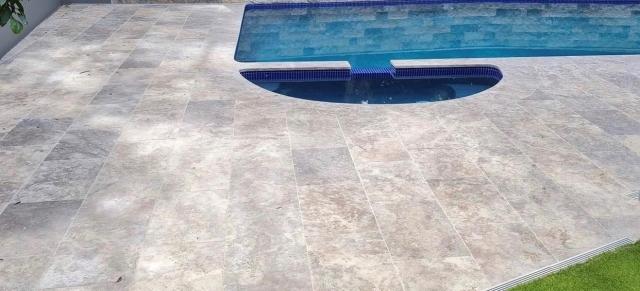
Travertine tiles are a timeless and luxurious flooring option, offering natural beauty, durability, and a distinctive texture that enhances any interior space. However, being a porous limestone, travertine is susceptible to stains, etching, and general wear over time. Whether installed in kitchens, bathrooms, or high-traffic areas, travertine requires proper maintenance to preserve its elegance. Homeowners often struggle with discoloration caused by spilled liquids, acidic substances, or heavy foot traffic. Addressing these issues promptly not only restores the aesthetic appeal of the tiles but also prevents long-term damage that could require costly replacement. This is where travertine tile restoration comes into play, providing both cosmetic and structural solutions for worn or damaged stone surfaces.
Restoration services combine specialized cleaning, polishing, honing, and sealing techniques to rejuvenate the tile's natural shine and protect it from future harm. In addition to professional intervention, understanding how to identify different types of stains and etching, as well as how to implement preventive care, is crucial for maintaining travertine over the years. In this guide, we will explore practical strategies to remove stains, repair etching, and keep travertine tiles looking pristine, while highlighting the role of professional restoration when home remedies are insufficient. Whether you are a homeowner attempting minor maintenance or a property manager seeking long-term solutions, following these steps ensures that travertine remains both beautiful and durable. By combining proper stain removal techniques with effective travertine tile restoration methods, you can extend the life of your floors and surfaces, keeping them elegant and functional for decades.
Understanding Stains and Etching on Travertine
Travertine's porous nature makes it particularly vulnerable to damage caused by acidic substances, oils, and everyday spills. Stains occur when liquids or contaminants penetrate the stone's surface, leaving behind discoloration that ranges from light spots to deep-set marks. Common culprits include coffee, wine, juice, oil, and grease, while mineral deposits from hard water or cleaning agents can also cause staining. Etching, on the other hand, occurs when acids react with the calcium carbonate content of travertine, leaving dull marks, pits, or surface irregularities.
This type of damage is distinct from staining because it alters the stone's texture rather than simply discoloring it. Recognizing the difference between stains and etching is crucial because each requires a different approach for removal. Stains may respond to cleaning solutions or poultices, while etching often requires mechanical interventions like honing or polishing, which are typically performed by professionals as part of comprehensive travertine tile restoration services. For homeowners, it is important to assess the severity of the issue: light surface stains may be treated at home, while deep stains or widespread etching often necessitate professional attention. Understanding the causes of these problems also helps prevent recurrence. Acidic cleaners, harsh chemicals, and neglecting spills are common contributors, making routine maintenance, proper cleaning techniques, and timely sealing essential for protecting the stone.
By familiarizing yourself with how stains and etching develop, you can better decide whether a DIY solution is appropriate or if full-scale professional travertine tile restoration is the safest and most effective option for your floors. This knowledge lays the foundation for addressing each type of damage systematically and preserving the natural beauty of travertine over the long term.
Step-by-Step Guide to Removing Stains from Travertine
Effectively removing stains from travertine requires a systematic approach that considers the type of stain, the tile's color, and the depth of discoloration. Organic stains such as coffee, tea, or food can often be addressed using a poultice—a paste made from baking soda and water for light stains or hydrogen peroxide for lighter travertine tones. The poultice should be applied directly to the stain, covered with plastic wrap to retain moisture, and left for 24 hours to draw out the discoloration.
Afterward, it can be gently wiped away and the surface rinsed with water. Oil-based stains, including cooking oils, butter, or cosmetics, require a slightly different approach. A poultice with baking soda mixed with acetone or mineral spirits can help lift the oil from the porous stone. The same covering and curing process applies, usually for 24–48 hours, after which the area is cleaned and dried. Rust stains, caused by metal objects left in contact with the tile, demand a commercial rust remover specifically designed for natural stone, applied cautiously to avoid further damage.
Testing the product on a small, inconspicuous area before full application is always recommended. While these methods are effective for localized stains, widespread or deeply embedded discoloration may require professional intervention. A trained specialist can employ advanced techniques as part of travertine tile restoration, including polishing, honing, and sealing, to not only remove stains but also rejuvenate the surface. Consistently addressing stains quickly and applying appropriate cleaning methods reduces the risk of permanent damage, preserves the tile's aesthetic appeal, and complements preventive care measures like sealing and regular maintenance.
Repairing Etching on Travertine
Etching presents a more complex challenge than simple stains because it affects the surface texture rather than just the color. Light etching can sometimes be repaired at home using a travertine polishing powder or paste. Applying the polish and gently buffing the affected area with a soft cloth or low-speed buffer can restore some of the tile's original shine. However, deeper or widespread etching often requires professional travertine tile restoration. This process typically begins with honing, which removes a thin layer of the stone to level out the etched areas. After honing, the surface is polished to achieve a smooth, glossy finish, and finally sealed to prevent future damage. Regular maintenance and preventive strategies are also crucial for avoiding etching in the first place.
Avoid using acidic cleaners, vinegar, or lemon-based products, and always clean spills immediately. Protective mats or coasters in high-use areas further minimize the risk. Recognizing the difference between surface etching and deeper damage helps determine whether DIY polishing is sufficient or if full-scale professional restoration is required. Investing in expert services ensures that the travertine tiles regain their original luster while preventing long-term issues that could compromise the stone's durability. Whether addressing light etching yourself or calling in a specialist, a careful, informed approach is essential to maintaining the elegant appearance of travertine over time.
Sealing and Preventive Care
After stains and etching have been addressed, sealing travertine tiles is a critical step in protecting the stone from future damage. Sealing fills the natural pores of the travertine, reducing its vulnerability to spills, dirt, and acidic substances. The process begins with thoroughly cleaning and drying the surface to ensure no residue interferes with the sealer. A high-quality penetrating sealer designed for natural stone should then be applied evenly, wiping off excess material and allowing sufficient curing time as per manufacturer instructions.
Regular maintenance further prolongs the life and beauty of the tiles. Using pH-neutral cleaners, avoiding harsh chemicals, wiping spills immediately, and employing protective measures in high-traffic areas all contribute to preventing stains and etching. For homeowners and property managers, combining these daily preventive practices with periodic professional travertine tile restoration ensures that the floors and surfaces remain pristine. Scheduling routine inspections by restoration specialists allows early detection of minor issues before they escalate into significant damage.
Preventive care not only maintains the visual appeal of the stone but also protects the investment by extending the longevity of travertine tiles, making them a sustainable choice for any residential or commercial space. By committing to both immediate care and long-term maintenance, travertine owners can enjoy the natural elegance and durability of this premium material for decades.
When to Call a Professional for Travertine Tile Restoration
While minor stains and light etching can often be handled at home, there are circumstances where professional intervention is necessary. Attempting to fix deep stains or widespread etching without proper knowledge and tools can worsen the damage or lead to uneven surfaces. Professionals in travertine tile restoration have specialized equipment, polishing powders, honing machines, and sealers that ensure uniform results without compromising the stone's integrity. Some situations that typically require professional help include large-scale discoloration, oil or rust stains that penetrate deeply into the stone, and extensive etching that covers multiple tiles.
Additionally, uneven wear patterns caused by heavy foot traffic, pets, or furniture movement are best addressed by experts who can restore the surface to its original uniformity. Professionals also offer inspection and preventive strategies to protect your investment, such as customized sealing solutions and advice on maintenance schedules. Hiring a skilled restoration specialist not only guarantees superior aesthetic outcomes but also ensures the longevity of your travertine tiles. By addressing issues early through expert intervention, you can avoid costly replacements in the future.
Moreover, professionals can provide guidance on how to maintain your travertine after restoration, including proper cleaning agents, methods, and frequency, as well as tips on minimizing exposure to acids or abrasive materials. Recognizing when to escalate a DIY effort to a professional service is essential for maintaining the durability and elegance of travertine. In essence, while routine cleaning and minor stain removal can be managed at home, full-scale travertine tile restoration ensures that your floors, walls, or countertops retain their natural beauty and remain protected against future damage. Engaging professionals ultimately saves time, prevents mistakes, and restores the luxurious appearance of your travertine surfaces efficiently.
Tips for Long-Term Maintenance of Travertine Tiles
Long-term maintenance is crucial for preserving the beauty and functionality of travertine tiles. Regular care not only prevents stains and etching but also reduces the need for frequent professional travertine tile restoration. First, always use pH-neutral cleaning solutions specifically formulated for natural stone; harsh chemicals and acidic cleaners like vinegar or lemon juice can dull or damage the surface. Sweep or vacuum frequently to remove dirt and grit that may scratch the tiles. Address spills immediately by blotting rather than wiping to avoid spreading the stain.
Applying protective mats in high-traffic areas, under sinks, or in kitchens and bathrooms helps minimize contact with water, oils, and acidic substances. Periodically, consider re-sealing the travertine tiles according to the manufacturer's recommendations—typically every 12–24 months depending on usage. For heavily used commercial areas, more frequent inspections and maintenance may be necessary. Professional cleaning and polishing once every few years can help maintain a uniform surface and restore the stone's natural shine, complementing at-home preventive care. Avoid dragging heavy furniture or objects across the floor, as this can cause scratches or chips. Lastly, educating all occupants about proper travertine care ensures consistent attention to maintenance practices.
By integrating these preventive strategies, homeowners and property managers can prolong the life of travertine tiles, maintain their aesthetic appeal, and reduce long-term costs. Coupling routine care with occasional professional travertine tile restoration ensures the stone remains durable, polished, and visually stunning for decades, making it a worthwhile investment for both residential and commercial spaces.
Conclusion
Travertine tiles are an elegant, durable, and highly desirable flooring and surface option, but they require careful attention to maintain their natural beauty. Stains and etching are common issues that, if left untreated, can compromise both the appearance and longevity of the stone. Identifying the type of stain, applying appropriate cleaning methods, and addressing etching with professional-grade polishing and honing are all critical steps in maintaining travertine.
While some minor issues can be resolved at home, professional travertine tile restoration is often the most effective way to restore and protect your investment. Additionally, sealing the tiles and following a consistent maintenance routine—including using pH-neutral cleaners, promptly addressing spills, and avoiding acidic substances—further prolongs the life of travertine surfaces. By combining proper stain and etching repair techniques with preventive care, homeowners and property managers can ensure that travertine retains its natural elegance, shine, and durability for years to come.
Ultimately, investing in both restoration and ongoing maintenance not only preserves the aesthetic appeal of travertine but also enhances the value of any property, making it a cost-effective solution for long-term beauty and functionality. With the right knowledge, tools, and professional guidance, travertine tiles can remain a timeless and stunning addition to your home or commercial space, standing as a testament to quality and care in natural stone flooring.